Expert Articles for Smarter Car Care
Toyota Alphard Radiator Fan Motor Issues: Cooling System Problems Explained
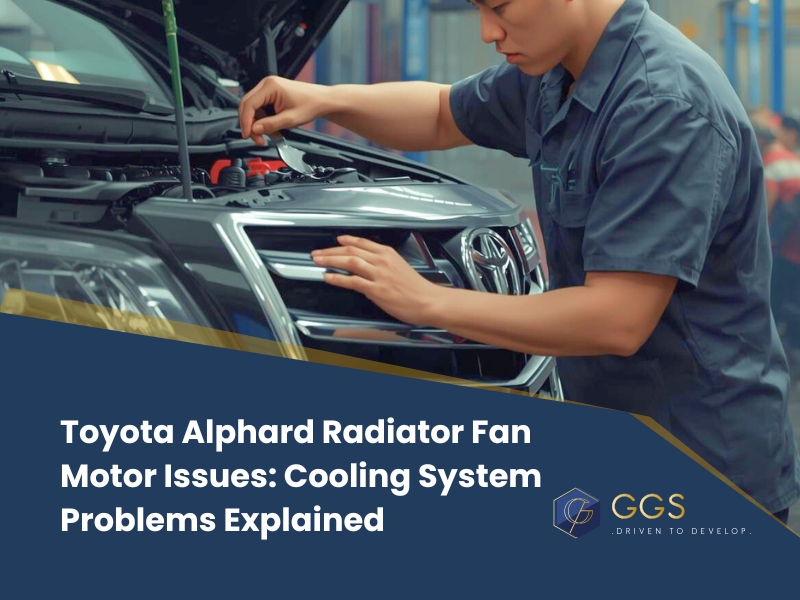
Table of Contents
Why Toyota Alphard Radiator Fan Motor Issues Deserve Professional Attention
When a Toyota Alphard rolls into the workshop, it is rarely because the vehicle has failed. More often, it is about preserving its trademark refinement — the quiet glide, the balanced temperature, the sense of effortless reliability. One of the most frequent issues technicians encounter is not with the engine or transmission, but with the radiator motor.
A weakening cooling fan can subtly disturb the Alphard’s composure, manifesting as rising temperature readings or inconsistent fan noise under the hood. It is a minor component, yet one that plays a vital role in maintaining smooth performance and preventing heat stress in Malaysia’s demanding climate. Identifying and addressing radiator motor issues early ensures that the Alphard continues to deliver the serene, confident drive its owners expect.
Warning Signs of Toyota Alphard Radiator Fan Motor Failure
A radiator motor is responsible for keeping your Alphard’s engine temperature within the safe operating range. When it starts to malfunction, the symptoms may appear subtle at first.
Common signs include:
- The temperature gauge is creeping higher than usual, especially in traffic jams.
- Cooling fans that do not activate even when the engine is hot or the air-conditioner is running.
- Intermittent fan noise — sometimes loud, sometimes silent.
- Reduced air-conditioning performance during idle or slow driving.
- A burning smell or occasional steam from under the bonnet after extended driving.
In tropical conditions, such as those found in Malaysia, these symptoms can worsen rapidly. Ignoring them can lead to overheating, warped cylinder heads, or even total engine failure.
Top Concerns When Your Toyota Alphard Cooling Fan Stops Working
When radiator motor issues arise, Alphard owners often worry about:
- High replacement cost
- The perception that large MPV parts are expensive.
- Genuine vs. imitation parts
- Uncertainty about the reliability of cheaper alternatives.
- Workmanship quality
- Fear that an improper fix may cause recurring problems.
- Hidden damage
- Anxiety over whether the overheating has already affected the head gasket or thermostat.
- Warranty or resale impact
- Especially if the vehicle is under financing or planned for future resale.
Beyond the financial aspect, there is also emotional stress. The Alphard represents not just a vehicle but a premium comfort zone for family or business travel. Any breakdown can feel disruptive and frustrating.
Typical Services for Radiator Fan Motor Repair
When you send your Alphard for inspection, you can expect the specialist to begin with:
1. Diagnostic Cooling Test
A technician will run a temperature and fan activation test to determine whether the issue lies in the fan motor, relay, fuse, or temperature sensor.
2. Electrical System Inspection
The radiator fan relies on proper voltage and a secure grounding connection. A voltage drop or corroded connector can mimic motor failure.
3. Cooling System Pressure Test
This checks for leaks from the radiator, hoses, or water pump that may contribute to overheating.
4. Air-Conditioning Integration Check
Since the Alphard’s twin cooling fans are shared between the engine and A/C, both systems are evaluated together to ensure balanced operation.
5. Replacement Options Discussion
A trustworthy Toyota workshop will explain the difference between OEM (Original Equipment Manufacturer) parts and quality OEM-equivalent options, helping you make an informed decision based on your driving needs and budget.
A qualified technician familiar with Toyota and Lexus MPVs will also ensure the correct fan rotation direction, wiring polarity, and relay timing — details that significantly impact reliability.
Step-by-Step Solutions to Fix Toyota Alphard Overheating Issues
If you suspect your Alphard’s radiator motor is weakening, here is a practical approach:
1. Monitor Early Signs
Watch the temperature gauge and listen for the fan operation when the air conditioner is on. If silent, have it checked promptly.
2. Avoid Long Idling
In heavy traffic or while waiting in the car with the air conditioner on, avoid extended idling periods, especially if you notice heat buildup.
3. Schedule a Cooling System Inspection
Book a diagnostic check with a workshop experienced in Toyota MPV cooling systems. Request a temperature and fan relay test instead of an immediate replacement.
4. Ask About Genuine or OEM-Approved Parts
Confirm that replacement parts meet Toyota’s performance standards. A good Toyota service centre will show the part number and warranty coverage before installation.
5. Request a Cooling Efficiency Report
After service, ensure the technician measures post-repair temperature stability — proof that the system has been restored to factory efficiency.
Protect Your Toyota Alphard’s Performance with Timely Radiator Motor Inspection
The radiator motor may seem like a minor component in your Alphard’s complex cooling system, but its reliability directly safeguards your engine and comfort. Addressing early warning signs not only prevents major mechanical failure but also preserves your vehicle’s resale value and long-term performance.
If your Alphard shows signs of inconsistent cooling or fan noise, schedule a professional inspection soon. A timely check can restore the quiet, confident drive that defines the Toyota Alphard experience.
FAQ
1. What causes radiator motor failure in a Toyota Alphard?
Common causes include worn motor bearings, electrical faults, damaged wiring, or relay failure due to prolonged heat exposure.
2. Can I drive my Alphard if the radiator fan is not working?
It is not recommended. Without proper cooling, your engine can overheat rapidly, leading to severe damage.
3. How can I test if my radiator motor is working?
Turn on the air-conditioner and listen for the fan. If it remains silent, have the system checked by a professional using diagnostic tools.
4. Is it expensive to replace the radiator motor on an Alphard?
Cost depends on whether you choose a genuine Toyota part or an OEM-equivalent option. Discuss both with your technician.
5. What happens if I ignore radiator motor issues?
Persistent overheating can damage the head gasket, radiator, and engine block, leading to significantly higher repair costs.
6. Can a faulty fan relay mimic motor failure?
Yes. The relay controls power flow to the motor, so if it fails, the fan will not activate even if the motor is healthy.
7. Are Alphard hybrid models affected by the same issue?
Hybrid variants use similar electric cooling fans, though their control systems differ. Regular checks are equally important.
8. How often should the cooling system be serviced?
Every 40,000 to 60,000 km, or once a year in Malaysia’s hot climate, including coolant flush and fan inspection.
9. How long does a Toyota Alphard radiator motor typically last?
With proper maintenance and regular cooling system checks, the radiator motor can last between 80,000 and 120,000 kilometres, depending on driving conditions and climate.
10. Where should I service my Alphard for radiator motor issues?
Select a workshop with proven expertise in Toyota and Lexus MPV cooling systems, offering access to diagnostic equipment and OEM parts.