Expert Articles for Smarter Car Care
Engine Oil Change and Vehicle Maintenance: Why It Matters More Than You Think
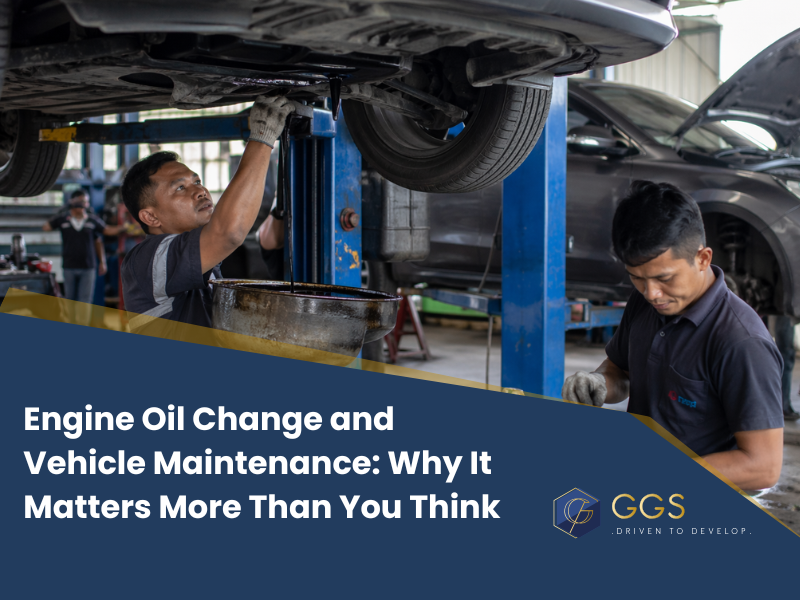
Table of Contents
Introduction
Engine oil change is one of the most fundamental aspects of vehicle maintenance, yet many car owners overlook it or delay it. While it may appear to be a simple routine task, engine oil plays a critical role in ensuring that a vehicle operates efficiently, safely, and reliably over time.
Understanding how engine oil functions, why regular oil changes are necessary, and how professional workshop services contribute to overall vehicle health can help drivers make better maintenance decisions. In the long run, proper oil maintenance is not just about keeping a car running — it is about preventing costly repairs and preserving the vehicle’s lifespan.
Understanding the Function of Engine Oil
Engine oil serves multiple essential functions within a vehicle’s engine. Its primary role is lubrication. By reducing friction between moving parts, oil prevents excessive wear and tear, allowing components to operate smoothly.
In addition to lubrication, engine oil helps regulate temperature. During operation, engines generate significant heat. Oil absorbs and dissipates this heat, preventing overheating and maintaining optimal operating conditions.
Another important function is cleaning. Engine oil carries away dirt, debris, and combustion by-products, helping to keep internal components clean. Without this function, contaminants can accumulate and form sludge, which negatively impacts performance.
Lastly, oil protects against corrosion. Forming a protective layer on metal surfaces, it reduces exposure to moisture and other elements that could cause damage over time.
Why a Regular Oil Change Is Important
Regular oil changes are essential for maintaining engine performance and preventing long-term damage. Over time, engine oil degrades due to heat, contamination, and chemical breakdown. When this happens, it loses its ability to lubricate and protect effectively.
Failing to change oil at the recommended intervals can lead to increased friction, higher operating temperatures, and reduced efficiency. This not only affects performance but also accelerates engine wear.
Regular oil changes also contribute to better fuel efficiency. Clean oil reduces resistance within the engine, allowing it to operate more efficiently and consume less fuel.
Most importantly, consistent maintenance extends the vehicle’s lifespan. A well-maintained engine is less likely to experience major failures, saving both time and money in the long run.
Types of Engine Oil
There are several types of engine oil available, each designed for different performance requirements.
Mineral oil is the most basic type and is suitable for older engines or light usage. Semi-synthetic oil offers a balance between performance and cost, providing improved protection compared to mineral oil.
Fully synthetic oil is designed for modern engines and high-performance conditions. It offers superior protection, better temperature stability, and longer service intervals.
Another key factor to consider is oil viscosity, which refers to how thick or thin the oil is. Choosing the correct viscosity is important, as it affects how well the oil flows and protects engine components. Vehicle manufacturers typically specify the recommended oil type and viscosity.
When Should You Change Engine Oil?
Oil change intervals depend on several factors, including mileage, time, and driving conditions.
Most vehicles follow mileage-based intervals, typically ranging between 5,000 and 10,000 kilometres. However, time-based intervals are also important, as oil can degrade even if the vehicle is not used frequently.
Driving conditions play a significant role. Vehicles driven in heavy traffic, short distances, or extreme temperatures may require more frequent oil changes.
Drivers should also be aware of warning signs, such as unusual engine noise, dark or dirty oil, or dashboard indicators. These signs may indicate that the oil needs to be changed sooner than expected.
The Oil Change Process in a Professional Workshop
A proper oil change involves more than simply replacing the oil. In a professional workshop, the process typically begins with draining the old oil completely to remove contaminants.
The oil filter is then replaced. This component plays a crucial role in trapping impurities, and reusing an old filter can compromise the effectiveness of the new oil.
Next, the engine is refilled with the appropriate type and quantity of oil per the manufacturer’s specifications. Technicians also perform basic inspections of engine components to identify potential issues early.
Finally, used oil is disposed of in accordance with environmental guidelines. Proper disposal is essential to prevent pollution and comply with regulatory standards.
The Role of Professional Workshop Services
While some car owners may consider performing oil changes themselves, professional workshop services offer several advantages.
Workshops are equipped with the proper tools and equipment to perform the task efficiently and safely. Technicians are trained to identify issues that may not be immediately visible, providing an added layer of preventive maintenance.
Professional servicing also ensures that the correct oil type and specifications are used, reducing the risk of engine damage. In addition, workshops often maintain service records, which can be useful for future maintenance planning and resale value.
Common Issues Caused by Poor Oil Maintenance
Neglecting oil maintenance can lead to a range of problems.
One of the most common issues is engine overheating, caused by insufficient lubrication and heat dissipation. Sludge build-up is another major concern, as it restricts oil flow and reduces engine efficiency.
Over time, poor oil maintenance can result in increased fuel consumption and reduced performance. In severe cases, it may lead to engine failure, requiring costly repairs or replacements.
Regulatory and Environmental Considerations
Vehicle maintenance, including oil changes, is subject to certain regulatory and environmental considerations.
Used engine oil must be disposed of responsibly, as improper disposal can harm the environment. In Malaysia, environmental guidelines are enforced by the Department of Environment Malaysia, which regulates the handling and disposal of hazardous waste.
The Road Transport Department Malaysia oversees vehicle standards and roadworthiness. Proper maintenance, including timely oil changes, contributes to overall vehicle safety and compliance.
Building a Preventive Maintenance Strategy
An effective maintenance strategy integrates oil changes into a broader vehicle care routine.
Drivers should follow manufacturer recommendations and maintain a consistent service schedule. Regular monitoring of engine condition helps identify issues early and prevents major breakdowns.
Combining oil changes with other services, such as filter replacement and system checks, can improve overall efficiency. Over time, this proactive approach reduces maintenance costs and enhances vehicle reliability.
Conclusion
Engine oil change is a simple yet critical aspect of vehicle maintenance that directly impacts performance, safety, and longevity. By understanding its importance and adopting a consistent maintenance routine, drivers can avoid costly repairs and ensure their vehicles remain reliable over time.
Professional workshop services play a key role in maintaining compliance with standards, ensuring proper procedures are followed, and identifying potential issues early. In the long run, investing in regular oil changes is one of the most effective ways to protect both your vehicle and your finances.
FAQ
1. How often should engine oil be changed?
It depends on the vehicle and driving conditions, but typically every 5,000 to 10,000 kilometres or as recommended by the manufacturer.
2. What happens if I delay an oil change?
Delaying can lead to increased engine wear, reduced performance, and potential long-term damage.
3. Can different types of engine oil be mixed?
Mixing oils is generally not recommended, as it may affect performance and protection levels.
4. How do I know which oil is suitable for my car?
You should refer to the manufacturer’s specifications, which indicate the correct oil type and viscosity.
5. Is it necessary to replace the oil filter during every oil change?
Yes, replacing the oil filter ensures that contaminants are not carried over into the new oil.
6. What are the signs that engine oil needs changing?
Common signs include dark or dirty oil, unusual engine noise, and dashboard warning indicators.
7. Can I perform an oil change myself?
While possible, professional servicing ensures proper handling, correct oil usage, and inspection of potential issues.
8. Why is oil viscosity important?
Viscosity affects how well the oil flows and how well it protects engine components at different temperatures.
9. How does oil change improve fuel efficiency?
Clean oil reduces friction, allowing the engine to operate more efficiently and use less fuel.
10. What should be done with used engine oil?
Used oil must be disposed of properly in accordance with environmental regulations to prevent pollution.